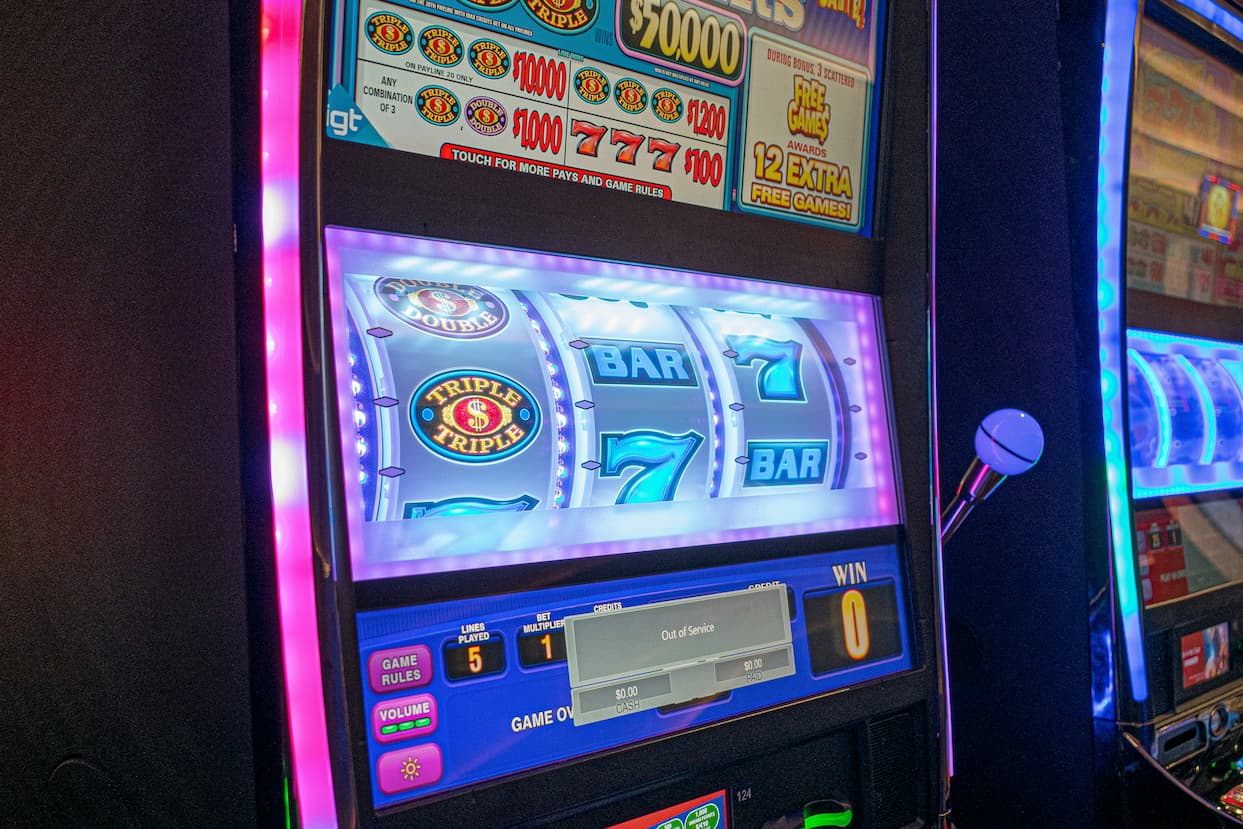
Slot machines may look simple at first. You push a button or pull a lever, the reels spin, and you hope for a win. Yet beneath this plain surface lies careful design. Every detail, from the shape of a button to the sound of coins dropping at National Casino, is built to keep players engaged for longer. Nothing is random here.
A Game of Psychology
Psychologists call these machines “Skinner boxes” for adults. The reference comes from experiments where rats pressed levers for food rewards. Slot machines use the same principle. The buttons are smooth, the response is instant, and the feedback feels rewarding. Even without a payout, the action itself is satisfying.
The Lever That Lingers
The classic slot lever is more than nostalgia. Pulling it gives players a physical sense of control. It feels heavier than it needs to be. The weight tricks the brain into believing the action matters. Even in digital casinos, many virtual slots still include an on-screen lever. That’s proof of its psychological pull.
Sounds That Hook the Brain
Slot sounds are a science. The jingles when you win are pitched to mimic human laughter. The spin noises carry the rhythm of anticipation. And the coin sounds? Most modern machines no longer pay out in coins, yet the audio effect remains. It creates a false but powerful sense of wealth.
A Constant Flow
One reason slots are addictive is their speed. The buttons are designed for fast play. You can hit spin again in seconds. There are no breaks, no pauses, no moments to reflect. The design keeps you locked into a cycle where decisions feel continuous and automatic.
The Near-Miss Illusion
Modern machines are built to show “near-misses.” That’s when two jackpot symbols line up, and the third stops just one space away. This is not accidental. Studies show near-misses light up the same part of the brain as an actual win. The player feels they were close, which sparks another round.
Why Colors Matter
The bright buttons and flashing lights may seem chaotic, but they are not. Casinos use specific color palettes. Red and yellow encourage energy. Green creates comfort. Blue is rare, since it is calming and could slow play. Everything about the interface is meant to keep the player alert and chasing wins.
Smooth as Possible
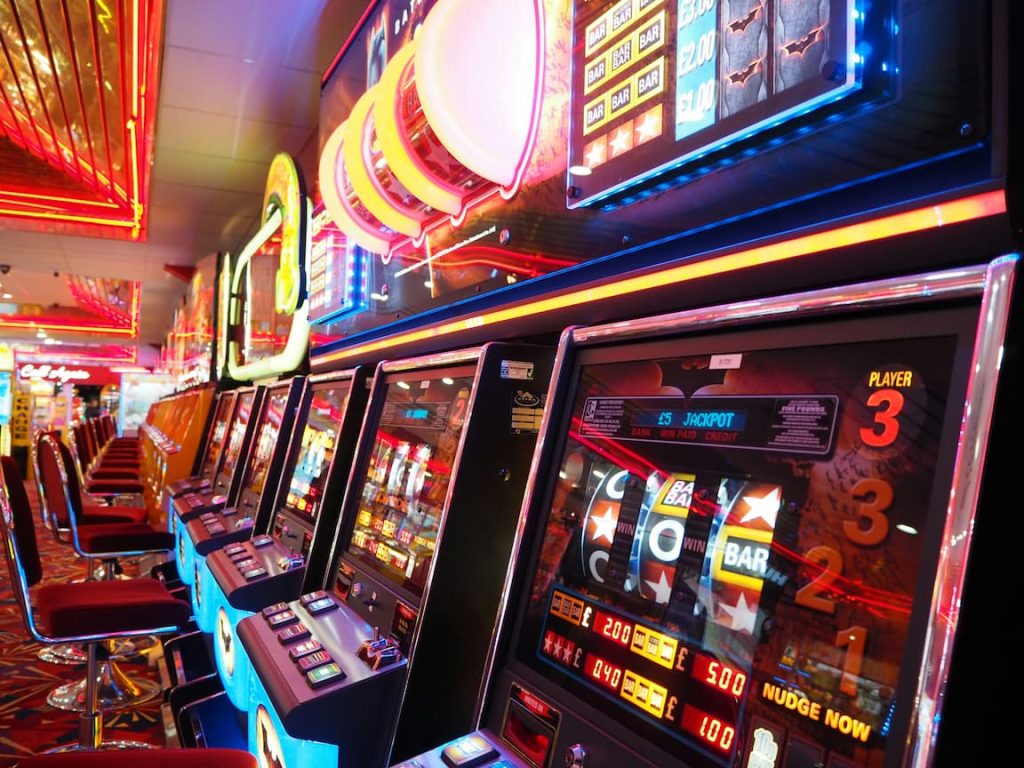
Notice how slot buttons don’t stick. The touch is seamless, almost slippery. That’s intentional. Resistance or rough textures would interrupt the flow. By making each press smooth and effortless, the machine enables players to stay in rhythm, pressing the spin repeatedly without conscious effort.
Winning Without Winning
Slots often reward players with small wins that are less than the bet placed. For example, you may wager $1 and get $0.50 back. Yet the machine plays a cheerful tune. It feels like a win even when you lose money. These “losses disguised as wins” are one of the cleverest parts of slot design.
The Hidden Role of Vibration
Some modern slot machines include haptic feedback. When you hit a button, you feel a slight vibration. It mimics the sensation of mechanical action. The brain links it to control and success. Paired with lights and sound, the vibration makes the action more immersive and habit-forming.
Machines That Adapt
Many slots now track behavior. If you play slower, the machine can change its pace. If you play longer, it may trigger more frequent small wins to keep you interested. This adaptive design reinforces the addiction. The machine doesn’t just offer games; it responds to you.
A Reward Schedule That Works
Slot machines run on a variable ratio reward system. Wins come at unpredictable times. That’s the most addictive schedule ever tested in psychology. The brain never knows when the next reward will come, but it knows it will come eventually. That uncertainty is what keeps players spinning.